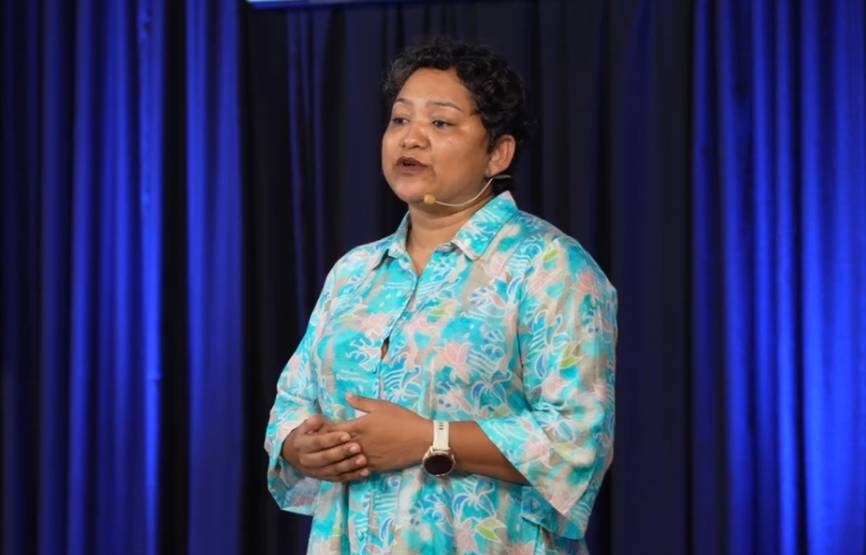
The video opens with powerful scenes and emotional music as I, Priyanka Shahi, share the harsh realities faced by countless Nepali migrants abroad. The footage from 2016 reminds us of a tragedy that continues even today: every single year, more than a thousand Nepali migrants return home in coffins. Among them, an estimated 12% die by suicide—though the true number is likely much higher due to underreporting. These are not just statistics. They are sons, daughters, parents, and dreamers whose stories were cut short.
Migration from Nepal is usually driven by desperation—political instability, unemployment, poverty, and deeply rooted social pressures. Many believe that going abroad guarantees success. But the truth is far more complex. No matter the destination, migrants face common struggles: overwhelming cultural shock, language barriers, discrimination, underpayment, exploitation, and in many cases emotional, physical, or sexual abuse.
Different regions bring different kinds of pain.
In India and Southeast Asia, young Nepali women are deceived into sex trafficking, and poor migrants are sometimes lured into selling organs for small sums.
In the Middle East, the Kafala system places full control in employers' hands—confiscating passports, restricting movement, and preventing migrants from returning home.
In Western countries, international students drown under academic pressure, financial burden, long work hours, visa stress, and social isolation.
And then, in the video, I share my own story.
At 20, I left my remote village and migrated to Australia. I had never even seen an escalator before. Everything felt unfamiliar and intimidating. My poor English, lack of support, and unrecognized qualifications forced me to work seven odd jobs just to survive. I faced racism, exploitation, financial pressure, and constant fear due to shifting visa rules.
Still, I worked hard. I became a registered nurse, started my own businesses, built a home, and created what many call the "Australian dream." But dreams are fragile.
During my second pregnancy, I became a single mother. The emotional trauma, combined with workplace discrimination, pushed me into a severe mental health crisis. Eventually, I was unfairly dismissed and left without income. I felt broken.
What saved me was virtual counselling with a Nepali psychologist—someone who understood my culture, my language, and the silent battles migrants carry. That safe space became the beginning of my healing. I returned to Nepal, slowly rebuilt my life, and found strength again through family and community.
In the video, I also share the stories of others whose pain reflects the suffering of thousands:
Mala Maya, a young mother who left for Lebanon 15 years ago, became trapped under the Kafala system. Today, she remains in a war-torn country, surviving solely on charity. Her children have grown up without her, and she fears she may never return to Nepal.
Then there is Saros, a Nepali student in Australia who battled mental health issues worsened by academic stress and visa complications. After being deported, he took his own life. His death deeply shook me and strengthened my commitment to fight for migrants.
These deeply personal journeys inspired me to create Konektee—a platform named after the Aspiral word for “connection,” symbolizing the support and unity that migrants desperately need. Konektee now supports migrants across 86 countries, from pre-departure preparation to reintegration back home.
The urgency is undeniable: every day, 3,000 Nepalis migrate abroad. There is so much work to do.
In the video, I explain how Konektee provides support through three essential phases:
1. Pre-Departure Support
-
Helping migrants understand cultural realities and workplace expectations.
-
Providing Mental Health First Aid training.
-
Building an app offering mental health tools and educational resources.
2. Psychosocial Support Abroad
-
24/7 counselling with Nepali psychologists.
-
AI-driven chatbot for emotional support and counselling preparation.
-
Virtual peer-support groups guided by professionals.
-
Access to trusted community leaders and accurate information.
3. Return and Reintegration
-
A “Return Ready” curriculum focused on mental health, reintegration, and long-term stability.
-
Rehabilitation programs for migrants needing deeper healing.
-
Support to rebuild confidence, reconnect with family, and enter the workforce.
I also highlight the story of Sop, a Nepali student in Scotland. After facing mental breakdowns and academic pressure, he returned home. With counselling and support, he recovered and started his own business. Though challenges remain, he says, “At least I’m alive. I can rebuild.” His journey proves that returning home is not a failure—it is courage.
Despite these stories, many migrants continue to suffer silently. Stigma, shame, and financial burdens stop them from seeking help. Meanwhile, four Nepali migrants die abroad every day. Many families cannot afford to bring their loved ones home.
So in the video, I ask:
Why should we wait until tragedy?
Why wait until another coffin arrives?
Now is the time to act.
Through Konektee, I am committed to ensuring that no migrant suffers alone. With the right support—from preparation to reintegration—every migrant can overcome adversity, reclaim their dignity, and truly thrive.