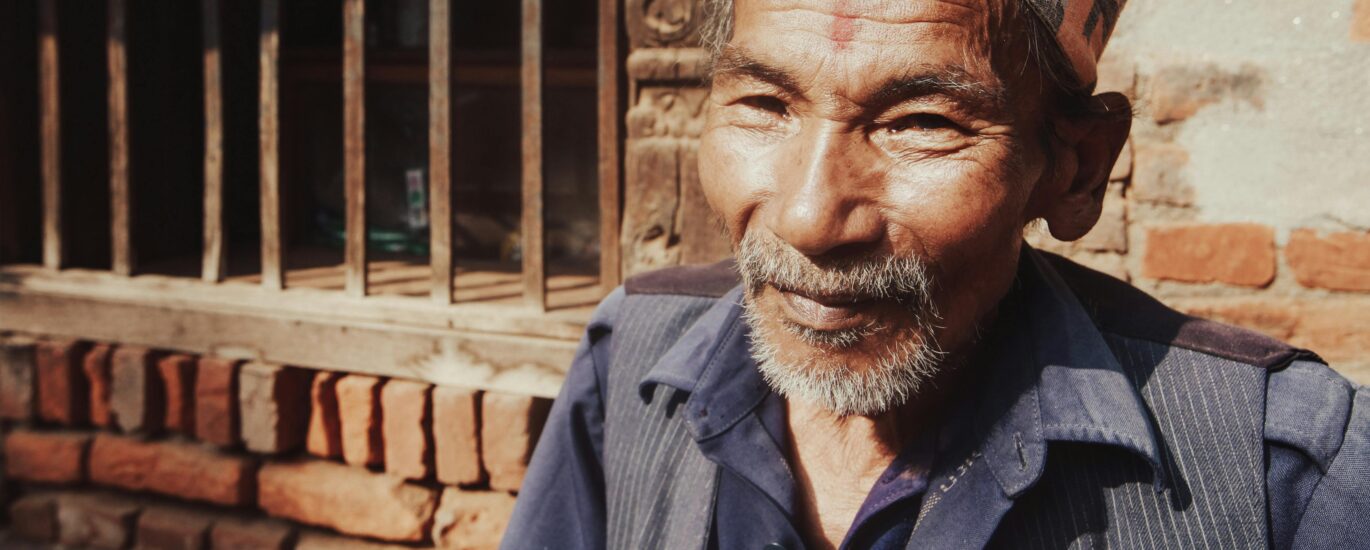
Returnee migrants often face a wide range of difficulties when attempting to reintegrate into their home communities. After spending years—sometimes decades—abroad, many return to environments that have drastically changed in their absence. They frequently struggle to secure stable employment, as their overseas skills may not align with local job markets, or their experience may not be officially recognized. Reconnecting with family members can also be challenging; relationships may have weakened over time, children may have grown distant, and the emotional expectations of returning home can create additional pressure. Beyond this, returnees often experience cultural shock, finding it hard to readjust to the social norms, routines, and community dynamics they once knew.
These challenges can lead to financial strain, psychological stress, and a deep sense of dislocation—leaving many returnees feeling disconnected from both their previous life and their aspirations. In this context, reintegration assistance programs play a vital role. By offering skill-development training, access to small grants for income-generating activities, and structured community support, these programs help returnees rebuild confidence and regain stability. They provide practical tools for employment, emotional support to rebuild family bonds, and a community network that enables returnees to feel welcomed rather than isolated. Through these targeted interventions, reintegration programs ensure that migrants can transition back into their communities with dignity, resilience, and hope for a sustainable future.